Comprehending Senior Care Levels: Picking Between Assisted Living and Other Elderly Care Options
@andersonawdt515
November 26, 2026 · 22 min read
Business Name: BeeHive Homes of Volcano Cliffs
Address: 6230 Montaño Rd NW, Albuquerque, NM 87120
Phone: (505) 302-1919
BeeHive Homes of Volcano Cliffs
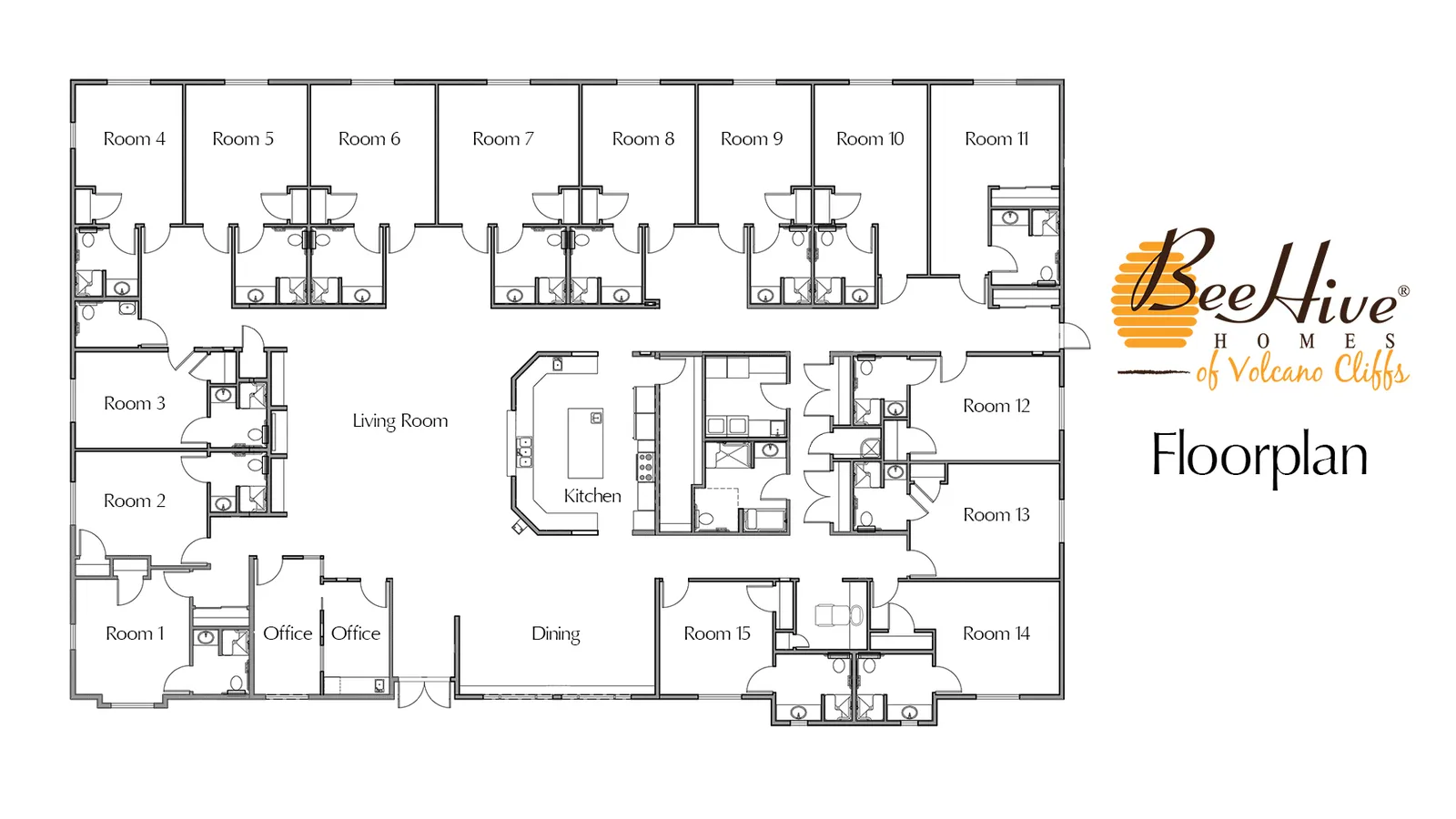
At BeeHive Homes of Volcano Cliffs, New Mexico, we offer the finest assisted living experience available in a cozy, comfortable homelike setting. Each of our residents has their own spacious room with an ADA approved bathroom and shower. We prepare and serve delicious home-cooked meals three times a day every day. We maintain a small, friendly elderly care community. We provide regular activities that our residents find fun and contribute to their health and well-being. Our staff is attentive and caring and provides assistance with daily activities to our senior living residents in a loving and respectful manner. We would like to invite you to tour and experience our assisted living home and feel the difference.
6230 Montaño Rd NW, Albuquerque, NM 87120
Business Hours
Families generally do not start researching senior care until something has currently failed. A fall, a missed medication, a late-night emergency clinic visit. By the time I fulfill many families, they are exhausted, anxious, and trying to decipher a maze of terms: assisted living, memory care, experienced nursing, respite care, home health, hospice.
The terminology can feel abstract, however the decisions are not. They figure out whether a parent can hug their buddies, whether a partner can sleep through the night, and how much cost savings may remain 5 years from now. Getting clear on care levels early, before a crisis, gives you alternatives you just do not have when you are under pressure.
This guide strolls through how assisted living suits the wider landscape of senior care, the distinctions that actually matter everyday, and how families can match a real person's requirements to the best setting.
How care requirements typically alter with age
Most older adults do stagnate directly from total independence to a nursing home. Needs typically progress in phases, although the timeline varies.
In the early phase, somebody might live separately but need small supports: a weekly maid, grocery shipment, a next-door neighbor who checks in. At this moment, the main issues are social isolation, minor safety problems in your home, and the first hints of lapse of memory. Households typically notice stacks of unopened mail or ended food in the fridge long before they see significant changes.
Over time, everyday jobs start to slip. Managing numerous medications, securely getting in and out of the shower, preparing regular meals, and keeping up with laundry and standard home upkeep start to seem like too much. This is where assisted living and comparable elderly care choices appear. The goal is to support independence, not to change it, while eliminating sufficient concern and threat that the person can restore some quality of life.
In later on stages, when someone has complicated medical requirements, advanced dementia, or requires aid throughout the night, higher levels of care such as memory care or experienced nursing become more appropriate. The transition is hardly ever a clean line. I frequently see families attempt to patch things together in your home long after it has ended up being hazardous, merely since they do not have a mental map of what else exists.
Understanding each care level helps you avoid two typical errors: moving prematurely into a setting that is more limiting and expensive than required, or waiting so long that a crisis forces a hurried move into the first offered bed.
Key care settings in the senior care spectrum
Clinical textbooks explain care levels in regards to policies, staffing ratios, and reimbursement models. Households experience them more concretely: who assists Mom with her shower, who notices if Dad appears more baffled, who is there at 2 a.m. If he can not breathe.
Here is how the primary choices differ in genuine life.
Independent living and aging in place
Independent living neighborhoods and aging in place at home occupy the lowest level of formal senior care. The person is mainly self-dependent however might benefit from a helpful environment.
In independent living, older grownups reside in personal homes or homes, with shared dining alternatives, light housekeeping, and social activities. Personnel do not usually supply hands-on support with bathing, dressing, or medications. It works best for someone who can handle their own regimens however desires benefit, community, and a much safer environment than a large, aging house.
Aging in location in your home relies on household, worked with caretakers, or visiting experts to offer assistance. This course provides autonomy and psychological convenience, however it features coordination challenges. Somebody needs to manage schedules, backups when caretakers are sick, home safety modifications, and transport. For households who live neighboring and can share obligations, it can be really successful. For adult kids who live hours away, it can end up being a logistical and psychological strain.
I often encourage families to treat home-based support as a flexible layer that can broaden and contract as needs alter. A couple of hours of assistance each week can ultimately turn into everyday help or overnight coverage without needing a physical move, at least until medical complexity or cognitive decrease makes home care too challenging or expensive.
Assisted living: the middle ground
Assisted living assisted living in albuquerque new mexico BeeHive Homes of Volcano Cliffs is created for older grownups who do not need 24-hour nursing care, however can not handle securely with only occasional aid. It is the middle of the senior care spectrum, and for many individuals it is where they invest the majority of their later years.
Residents normally reside in personal or semi-private apartments. Personnel help with activities of daily living such as bathing, dressing, grooming, toileting, and transferring. They likewise support so-called crucial activities: managing medications, arranging transportation, doing laundry, and often coordinating medical appointments.
What households most often undervalue is the effect of structure. Scheduled meals, daily check-ins, and on-site activities lower the mayhem that creeps into life when an older adult is alone for long stretches. For somebody with moderate memory issues, having staff advise them of meals, occasions, and medications can prevent more major decline.
At its finest, assisted living feels like a small community, not an institution. Citizens still lock their doors, decide how to provide their spaces, and choose whether to join group activities or keep to themselves. They simply do not have to fret about stairs, cooking on a gas range, or keeping in mind every tablet on their own.
However, assisted living neighborhoods vary widely. Some are more hospitality-focused, with resort-like features and lighter care. Others lean toward greater acuity, with more robust staffing and closer ties to healthcare providers. Asking in-depth concerns about what occurs when needs increase is vital, because a neighborhood that looks ideal today might not be able to support somebody if they start to need two-person transfers or nighttime monitoring.
Memory care: assisted dealing with protected support
Memory care is frequently licensed either as a separate unit within an assisted living community or as an unique center under similar policies, depending on the state. It serves individuals with moderate to sophisticated dementia who are hazardous in unsecured environments, regardless of their physical strength.
Families normally consider memory care when roaming, considerable confusion, or behavioral changes make basic assisted living or home care hazardous. For instance, an individual who repeatedly attempts to leave the structure during the night or thinks complete strangers remain in their home may need the structured, safe environment of memory care.
Staff in memory care settings get targeted training on dementia, communication methods, and behavior management. Structures are developed to reduce triggers: clear sight lines, circular strolling courses, and visual cues that assist homeowners orient themselves. Activities aim to match abilities, not highlight deficits, which can dramatically minimize agitation.
The compromise is a more regulated environment. Doors are locked or alarmed. Choices are structured. Personal privacy still matters, however the focus tilts more toward security than autonomy. For some families, this feels like a relief; for others, it is mentally tough but necessary.
Skilled nursing and rehabilitation
Skilled nursing facilities sit at the highest level of conventional elderly care outside healthcare facilities. They serve 2 broad groups.
The very first group includes short-stay rehabilitation patients. Think of somebody who had a stroke, hip fracture, or major surgical treatment. They need extensive physical treatment, occupational treatment, and in some cases speech treatment, in addition to close medical tracking. The goal here is to recover enough function to return home or to a less intensive setting such as assisted living.
The 2nd group consists of long-lasting citizens whose medical or functional requirements surpass what assisted living can fairly handle. Examples include people needing feeding tubes, complex wound care, frequent intravenous medications, or total help with all activities of daily living. Staffing includes signed up nurses all the time, and the center needs to follow stricter medical regulations.
Families often stress that moving a parent to a proficient nursing facility is a one-way journey. That is not always the case. With strong rehabilitation, many older grownups move back to assisted living or home. The secret is to have clear objectives and timelines from the very first week, and to stay actively involved in discharge planning instead of assuming the facility will instantly advise the least restrictive option.
Home health, personal task, and respite care
Not every solution includes a relocation. Numerous services can wrap around an older adult any place they live.
Home health is a Medicare-covered service (in the United States) that offers intermittent proficient care at home, such as nursing visits, physical therapy, or injury care, typically after a hospitalization or a modification in condition. It is not the same as an everyday caregiver. Think visits a couple of times a week for specific clinical tasks, instead of continuous assist with bathing or cooking.
Private task caregivers, worked with through companies or separately, fill that daily support function. They can aid with personal care, house cleaning, errands, and friendship. Sufficient supervision and preparation are essential, especially for overnight care or complex medications. Expenses build up quickly at high hours, however for the ideal scenario, this route can extend somebody's ability to remain at home significantly.
Respite care bridges spaces. It can suggest a short-term stay in an assisted living or memory care community, or short-lived additional in-home assistance, so that a household caretaker can rest, take a trip, or address their own health needs. I have seen lots of hesitant parents accept a "trial stay" framed as respite care, only to decide they choose the additional help and social contact. Utilized wisely, respite can prevent burnout and hold-up long-term placement.
Signals that assisted living may be the best level
Families often request a list of "indications it is time," as if there were an accurate threshold. Truth is messier, but some patterns repeat throughout lots of households I have actually dealt with. Rather than offering a rigid checklist, think about these recurring scenarios.
An older adult starts having small accidents at home: insinuates the shower, burns from the stove, or difficulty navigating steps. They might brush off these events, but you see increasing doubt or fear around specific tasks. A single serious fall can change the trajectory of someone's health; small ones are early caution signs.
Medication mistakes become frequent. Tablet organizers sit untouched. You find duplicate prescriptions for the very same drug, filled at various pharmacies. Health center visits for conditions that must be managed, such as cardiac arrest or diabetes, end up being more typical. Assisted living personnel can handle medication administration, lowering this risk dramatically.
Nutrition and hygiene decline. Your parent who when prided themselves on cool clothes and a neat cooking area begins to wear the exact same outfit multiple days and lets meals accumulate. Weight reduction, persistent urinary tract infections, or dental problems signal that daily routines are getting away from them.
Social withdrawal grows. Even when physically efficient in heading out, the individual rarely leaves home, misses spiritual services or club conferences, and seems uncommonly anxious about visitors. Seclusion is not simply lonesome; it accelerates cognitive and practical decrease. Assisted living neighborhoods, when well run, can reverse this trend.
Caregiver stress ends up being obvious. A partner in their late seventies tries to assist their partner transfer from bed to chair, risking their own health. An adult child spends most nights handling crises by phone and most weekends capturing up on jobs for their parent, squeezing their own household and work time into the margins. When the support group begins to break, the older grownup's stability normally follows.
If several of these components exist, assisted living is worth a major look. It does not imply somebody has actually lost all self-reliance. It means you are shifting from an improvised home-based system, frequently vulnerable and concealed, to a structured environment where help is close by.
How assisted living varies from other elderly care options
Assisted living frequently gets puzzled with both independent living and nursing homes. The distinctions matter for expectations, safety, and cost.
Compared with independent living, assisted living consists of hands-on support with individual care and medication management, plus a higher level of staff accessibility. Locals may still delight in similar homes and facilities, but there is a care group in location that can increase services as needs grow. Rates often reflects this, with base rates plus tiered charges based on care level.
Compared with proficient nursing, assisted living runs on a more social and less medical design. There might be nurses on staff, but they generally are not present 24 hours a day, and medical devices is very little. Laws are lighter. This environment feels more homelike and less medical, however it is not suitable for someone who needs continuous monitoring or complex treatments.
Memory care is finest idea of as an expertise of assisted living, not something completely separate. Both provide help with everyday activities, but memory care layers in safe style, higher staffing ratios, and dementia-focused shows. Somebody may start in basic assisted living and later transfer internally to memory care if their cognitive decrease progresses.
Home-based arrangements can look very various from assisted living, even when the variety of assistance hours is similar. In assisted living, personnel can react if a resident falls at 3 a.m. In home care, unless you have round-the-clock caregivers, emergencies outside arranged hours count on emergency services or neighbors. On the other hand, remaining at home offers familiarity, control over routines, and in some cases, lower costs at modest care levels.
One of the most beneficial questions to ask yourself is: "Where will help originate from at 2 a.m. If something fails, and how trustworthy is that strategy?" Assisted living, memory care, and experienced nursing provide explicit answers to that concern. Home-based systems frequently presume nothing major will occur outside set up caregiver hours, which is rarely true for long.
Financial and useful trade-offs
Cost is the subject households raise with a mix of fear and confusion. Figures vary commonly by region, but it is common to see monthly assisted living costs in the mid four figures, with higher rates for memory care and experienced nursing. Home care can appear less expensive initially glimpse, but when you compute 24-hour coverage at hourly rates, it typically exceeds facility costs.
The deeper problem is value. What are you paying for, and what risks are you accepting if you attempt to conserve cash by covering services together?
In assisted living, fees typically cover housing, energies, meals, standard house cleaning, some transportation, activities, and a specified level of individual care. Additional needs may be billed as add-ons. Unexpected expense creep prevails when someone's care requirements increase quicker than the family understands. Request for a composed description of how the neighborhood determines care levels and how typically reassessments occur.
Home care costs scale with hours. A couple of hours a week might cost relatively little, but once a person needs aid multiple times a day or over night, costs install quickly. Families sometimes ignore surprise costs: home modifications, emergency tracking systems, and the worth of unsettled household caretaker time.
Medicare and similar insurance coverage programs normally do not spend for long-lasting custodial care, whether at home or in assisted living. They cover medically required services such as knowledgeable nursing, treatment, and health center care. Long-term care insurance coverage, when available, can balance out some expenditures, however policies differ tremendously in what they cover and how advantages are activated. It is necessary to review policy documents rather than rely on assumptions or vague memories of what an agent once described.
I frequently motivate households to consider not simply the monthly price tag, but also the downstream expenses of avoidable hospitalizations, injuries, and caregiver burnout. A a little greater level of structured support can often avoid major expenditures and suffering later.
Using respite care to test and transition
Respite care is among the most underused tools in senior care, despite being extremely useful. It uses short-lived assistance, usually for a couple of days to a couple of weeks, either in the home or in a residential setting such as assisted living or memory care.
In practice, respite serves 3 valuable purposes.
First, it offers family caregivers foreseeable breaks. Taking care of a parent or partner is physically and mentally taxing, even when finished with love. Periodic respite permits caregivers to charge, take care of their own health, or simply sleep without listening for each small sound in the night. Research studies consistently show that routine breaks decrease anxiety and extend a caregiver's capability to continue safely.
Second, respite stays in assisted living or memory care provide a low-risk trial. Rather of devoting to an irreversible relocation, an older adult can "try out" the community. Lots of people who insisted they would never ever leave their home find they value having meals prepared, business at the table, and another person dealing with the laundry. Even when they pick to return home, both the family and the neighborhood gain valuable insight into what future assistance might look like.
Third, respite supplies a safety net during shifts. After a hospitalization, for instance, somebody might not yet be safe to return home alone but might not require the complete strength of skilled nursing. A short-term respite remain in assisted living, with the alternative to extend, can smooth that healing duration and prevent readmission.
If you are considering assisted living however facing resistance from your loved one, framing the move as short-lived respite rather than permanent moving typically reduces defenses. It feels more like a trial partnership than an irreparable decision.
A useful structure for choosing amongst options
Families often feel pulled between guilt, worry, and contrasting recommendations from friends or experts. A more grounded way to approach the decision is to take a look at 3 dimensions: current needs, likely trajectory, and support capacity.
Here is an easy sequence many families find helpful when comparing assisted living with other elderly care choices:
-
Clarify the person's daily reality
Invest a full day, or several, observing or asking particular concerns about how your loved one handles. Concentrate on concrete jobs: bathing, dressing, toileting, consuming, walking, medications, and family tasks. Note what they do independently, what they finish with effort or threat, and what they currently prevent or fail to complete. -
Map those needs to care settings
With that image in hand, match needs to the settings described earlier. For instance, if they are mainly independent but lonely, independent living or improved home assistance might suffice. If they need aid with several personal care jobs and medication management, assisted living ends up being more appropriate. If they are unsafe alone due to dementia, think about memory care. Severe medical complexity points toward competent nursing. -
Assess your household's sustainable support
Ask what level of time, physical effort, and psychological energy the family can realistically supply over the next year, not just the next month. Consist of everyone's work schedules, health concerns, and monetary limitations. It is better to be sincere now than to hit a crisis later due to the fact that everyone silently presumed another person would step in. -
Factor in personal worths and personality
Some older adults thrive in neighborhood settings, joining every activity and forming new relationships. Others are deeply private and value control of their environment above practically whatever. Think of their lifelong tendencies. An introverted person may still do well in assisted living if they have a quiet apartment and considerate personnel, however they may need stronger peace of mind about personal privacy and choice. -
Revisit as conditions change
No choice is long-term. The ideal answer this year may be incorrect 2 years from now. Build in regular check-ins, perhaps every six months, to ask whether the present plan is safe, sustainable, and lined up with your loved one's self-respect. Early modifications are far less disruptive than emergency situation moves.
Using this procedure, assisted living emerges not as a vague middle classification, but as a very particular match for someone who requires consistent support with day-to-day tasks, a more secure environment, and social structure, however who does not yet need constant medical care.
Final ideas: stabilizing security, independence, and dignity
Senior care decisions are rarely neat. Siblings may disagree. A parent may refuse any change initially. Financial restrictions restrict options. Feelings run high, specifically when functions reverse and adult children begin to promote for parents who as soon as cared for them.
Yet there is also an opportunity here. Thoughtful use of assisted living, respite care, and other senior care alternatives can extend not just the length of life, however the quality of the years remaining. The objective is not merely to keep somebody alive, but to support them in living as totally and safely as possible within their existing abilities.
When evaluating choices, keep going back to three questions.
Is my loved one safe in a manner that is sustainable, not depending on heroic efforts every week?
Do they have enough assistance to preserve some pleasure, function, or comfort in every day life, not simply to survive?
Can this arrangement flex as their requirements alter, without plunging everybody back into crisis?
If you can respond to yes to those three, whether the setting is assisted living, home with robust support, or a greater level of elderly care, you are on solid ground. If not, it might be time to reevaluate how the different care levels explained here can interact to produce a more steady and humane course forward.
BeeHive Homes of Volcano Cliffs provides assisted living care
BeeHive Homes of Volcano Cliffs provides respite care services
BeeHive Homes of Volcano Cliffs supports assistance with bathing and grooming
BeeHive Homes of Volcano Cliffs offers private bedrooms with private bathrooms
BeeHive Homes of Volcano Cliffs provides medication monitoring and documentation
BeeHive Homes of Volcano Cliffs serves dietitian-approved meals
BeeHive Homes of Volcano Cliffs provides housekeeping services
BeeHive Homes of Volcano Cliffs provides laundry services
BeeHive Homes of Volcano Cliffs offers community dining and social engagement activities
BeeHive Homes of Volcano Cliffs features life enrichment activities
BeeHive Homes of Volcano Cliffs supports personal care assistance during meals and daily routines
BeeHive Homes of Volcano Cliffs promotes frequent physical and mental exercise opportunities
BeeHive Homes of Volcano Cliffs provides a home-like residential environment
BeeHive Homes of Volcano Cliffs creates customized care plans as residents’ needs change
BeeHive Homes of Volcano Cliffs assesses individual resident care needs
BeeHive Homes of Volcano Cliffs accepts private pay and long-term care insurance
BeeHive Homes of Volcano Cliffs assists qualified veterans with Aid and Attendance benefits
BeeHive Homes of Volcano Cliffs encourages meaningful resident-to-staff relationships
BeeHive Homes of Volcano Cliffs delivers compassionate, attentive senior care focused on dignity and comfort
BeeHive Homes of Volcano Cliffs has a phone number of (505) 302-1919
BeeHive Homes of Volcano Cliffs has an address of 6230 Montaño Rd NW, Albuquerque, NM 87120
BeeHive Homes of Volcano Cliffs has a website https://beehivehomes.com/locations/volcano-cliffs/
BeeHive Homes of Volcano Cliffs has Google Maps listing https://maps.app.goo.gl/vC78eXZrUYuJ298v9
BeeHive Homes of Volcano Cliffs has Instagram page https://www.instagram.com/beehivealbuquerquewest
BeeHive Homes of Volcano Cliffs has an TikTok page https://www.tiktok.com/@beehivehomesalbuq
BeeHive Homes of Volcano Cliffs won Top Assisted Living Homes 2026
BeeHive Homes of Volcano Cliffs earned Best Customer Service Award 2025
BeeHive Homes of Volcano Cliffs placed 1st for Senior Living Communities 2026
People Also Ask about BeeHive Homes of Volcano Cliffs
What is BeeHive Homes of Volcano Cliffs Living monthly room rate?
Our base rate is $7,100 per month. We do an assessment of each resident's needs upon move-in, so each resident's rate may be slightly higher. However, there are no add-ons or hidden fees. We also charge a one-time community fee of $2,000 at move-in
Does Medicare or Medicaid pay for a stay at Bee Hive Homes?
Medicare pays for hospital and nursing home stays, but does not pay for assisted living. Some assisted living facilities are Medicaid providers, but we are not. We do accept private pay, long-term care insurance, and we can assist qualified Veterans with approval for the Aid and Attendance program
Do we have a nurse on staff?
We do have a nurse on contract who is available as a resource to our staff but our residents' needs do not require a nurse on-site. We always have trained caregivers in the home and awake around the clock
What can you tell me about the food at Bee Hive?
You have to smell it and taste it to believe it! We use dietitian-approved meals with alternates for flexibility, and we can accommodate needs for different texture and therapeutic diets. We have found that most physicians are happy to relax diet restrictions without any negative effect on our residents
Do we allow pets?
We do allow small pets as long as the resident is able to care for them. State regulations also require that we have evidence of current immunizations for any required shots
Where is BeeHive Homes of Volcano Cliffs located?
BeeHive Homes of Volcano Cliffs is conveniently located at 6230 Montaño Rd NW, Albuquerque, NM 87120. You can easily find directions on Google Maps or call at (505) 302-1919 Monday through Sunday 10:00am to 7:00pm
How can I contact BeeHive Homes of Volcano Cliffs?
You can contact BeeHive Homes of Volcano Cliffs by phone at: (505) 302-1919, visit their website at https://beehivehomes.com/locations/volcano-cliffs/ or connect on social media via Instagram Facebook or TikTok
Visiting the Mariposa Basin Park offers expansive green space and recreational opportunities that can provide enjoyable outings for individuals receiving Assisted living memory care senior care elderly care and respite care.